Social media caught fire recently over the issue of student debt forgiveness. In my particular, mostly liberal echo chamber, it’s become a shower debate of epic proportions, in which we have imagined a precise picture of the kind of person who would oppose such a measure.
A popular meme divides everyone into two camps. In one are the people who devote their entire lives, and always successfully, to ensuring that no living thing ever suffers. The other is for people who think that if they went through hard times, so should everyone else. Put in clearer terms a person I know commented that the second camp is for people who suck. Another commenter broke it into nice people and boomers, which made me wonder if this genius intended to include all Vietnam veterans in his analysis or just the Republican ones.
Anyone who listens to talk radio has heard the ads offering paid escapes from willingly incurred debt. To paraphrase, “You put your precious baby’s birthday party on the credit card, and now those corporate bastards expect you to pay it back.” That the tax man and credit card companies are awful is a core message not only embraced by accountability soldiers Thom Hartmann and Sean Hannity, but sold unironically to their audiences, ideologically opposite though they may be.
I can see how we’d be better off if loan forgiveness happened. I also view as a tightening noose the prevailing notion in America that everything should be free. From corporations to governments to every person on the street, we somehow feel that we should be able to have or do anything we want without having to pay for it. Promises have become things we said at a different time; we didn’t really mean them.
And regardless of how much good debt relief might bring, the best argument for it isn’t, “Corporations get to skate so why shouldn’t students.” That’s not an argument.
Though a puddle of wax around a barely flickering wick by now, my dream is for America to unite around the idea of paying for stuff. And I mean all of it. Punch or assault a woman, watch the Super Bowl from a jail cell and not the sidelines. Got a mine you want to dig, some coal you want to burn? Want to start a frivolous war? Assess the full cost up front and put your money down. Molest an altar boy, go to jail. Pay for it.
Climate change says it all. As a recreational fisherman, I drive hundreds of miles into the woods up to 60 times a year. Fishing manifests my commitment to being lifetime environmentalist. I release the fish I catch and pick up a couple pieces of litter on every trip, which I tell myself leaves nature better than I found it.
The truth is that between fishermen, campers, bird watchers, or you name it, none of us leaves more than what we take. We descend upon the deserts, mountains, and streams by the gazillions. We drive shiny new cars and monster RVs loaded with brightly-colored kayaks and bicycles. No matter how we vote or what righteous things we say, we borrow against the environment with everything we do.
Since we’ve repaid this debt with mere pennies on the dollar, the accrued interest has compounded to a point where full reconciliation has become impossible. The only thing now is to wipe the slate. Cancel the debt. Or just invent a new currency – righteous platitudes and poses – and pay it off with that.
You almost can’t blame people for bickering over this issue. America has gotten to the point where we are almost completely unable to take responsibility for ourselves. It’s always someone else’s fault, and thank you, social media for making that so clear.
Advanced education is like farming, insofar as it entails significant up-front investment for a deferred and indeterminate outcome. Overwhelmingly funded by loans, both endeavors come with significant risk; so much can happen in the deferral period – in addition to the passing of time itself – that affect the amount one pays back or her ability to do it. Whether through normal means or through federal forgiveness programs that exist for farm and education loans, when the bottom line is signed, someone has to pay.
I took out a student loan for grad school. I took much longer to repay it and at a much higher cost than I thought would be the case. I can see the argument that by accepting the loan I was obligated to repay it. And I can understand the grievance that if I paid off my loan, any other able American could be reasonably expected to do the same with theirs. I see the value in student debt relief from a societal perspective, just as I see how forgiving small business loans could move us forward. One can hold all of these positions at once.
The debt relief discussion highlights a lot of serious problems. The grip of regressive lending on higher education’s throat shows no signs of loosening. Higher education is unaffordable, and its value – in a national environment where the suppression of free speech is commonplace – is increasingly in question. In spite of overwhelming proof that improved incomes would benefit us all, our wages remain stagnant.
Corporate control of our institutions, culture, and even our families has gone beyond the breaking point. Our society is like a body covered with ticks from head to toe. Remove one, say by relieving education debt from a significant portion of future wage earners (who must not only birth and raise children, but see their parents through their twilight years), and another will take its place and resume sucking.
In such a scenario, one might think that social media could be a powerful change agent. Regarding student debt relief, our discussions could explore the potential for common interest on things like improving the quality and affordability of college, like improving the wages of those who opt out of higher education and college graduates alike. But social media has become just another tick.
Instead of drawing big inclusive circles, we draw increasingly smaller ones which bounce off one another as in a zero-sum game of pool. You’re either for debt relief or against it, either morally upstanding or a boomer, a tradesperson with business debt or a student paying off a loan, never mind the plumber with both or the student with neither who are ambivalent about the issue or interested in a third solution.
A simplistic possibility might be found in the fact that student load debt stands at 1.7 trillion dollars. If the debt is truly that big, you have to think that colleges and universities raked a significant portion of it. Half would be almost a trillion on its own. Forget about loan forgiveness; how about tuition relief?
Social media mirrors perfectly the tragedy of our no-responsibility society. Again, it’s laughable that relief proponents justify not paying by saying that Zuckerberg and Dorsey don’t pay their share either. The good thing is everyone paying their debts, the bad thing is everyone not paying their debts.
We should pay for things, our trucks and our student loans. We should pay for wrecking the environment and for crippling our kids’ abilities to process real life in healthy and courageous ways. We should also pay for the garbage we barf up on Facebook and Twitter. As much as our society should demand all of thethis, it should also work harder to enable it.

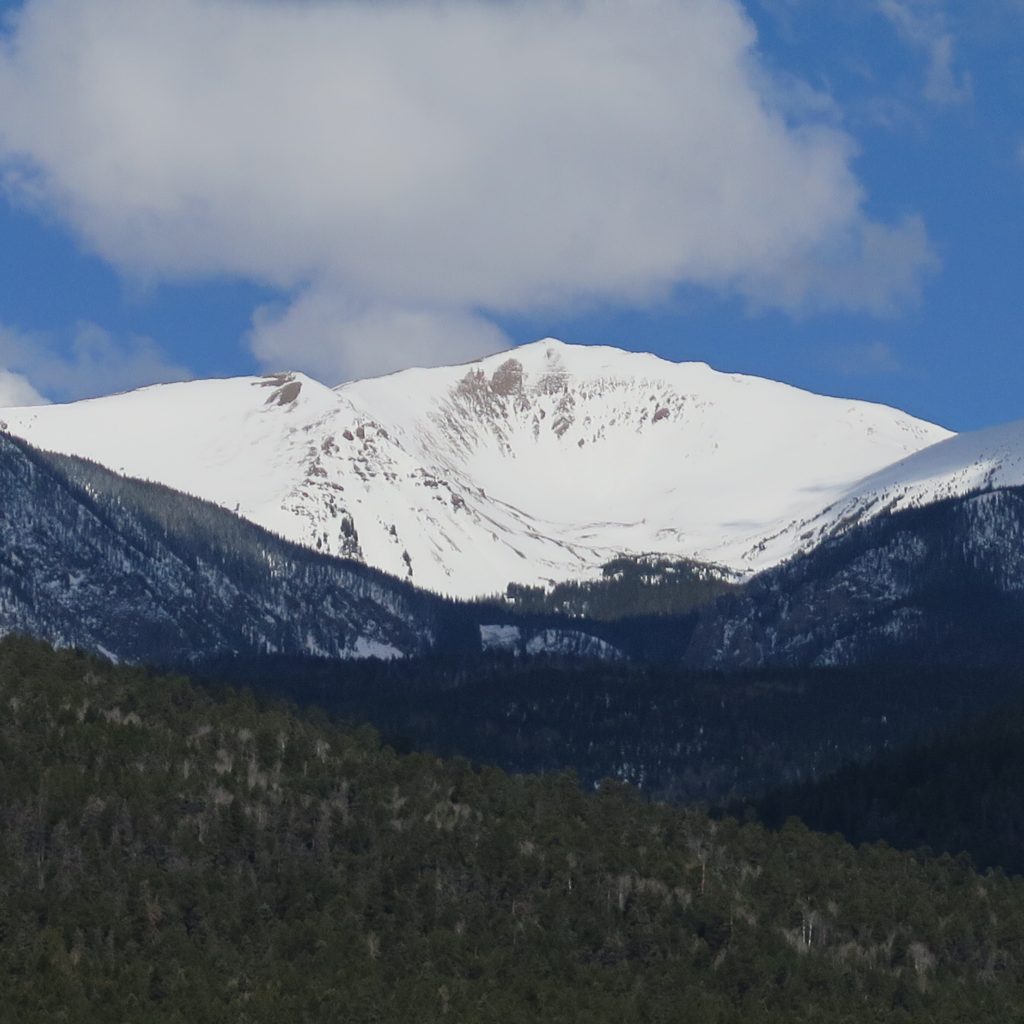 As always, New Mexicans are engaged in conversations about how our landscapes and watersheds should be managed. All five of our national forests are revising management plans to enhance land resiliency, boost economic opportunity, and protect sensitive natural and cultural resources. Our long drought, once thought to be abnormal, has generated broad participation in regional and state water planning efforts. People are striving to expand wilderness areas while others hope to limit, if not eliminate, land protections altogether. A vocal minority even seeks the transfer of public lands to state control and, ultimately, to private ownership.
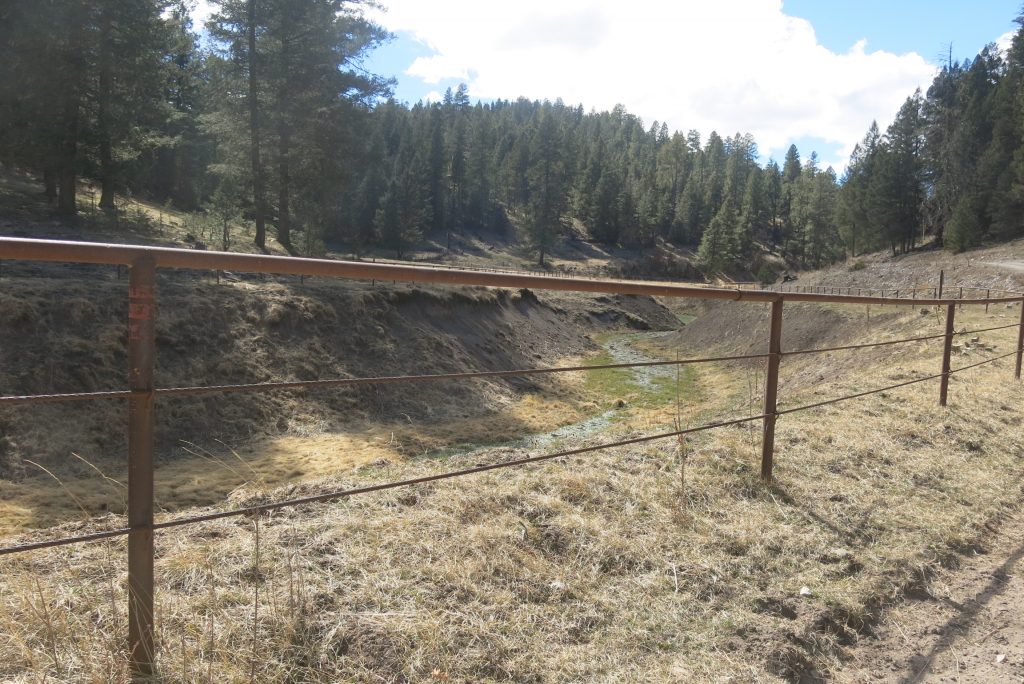 The bigger truth is this: too much of our land is in a diminished and actively degrading state. Forests bloat with fuel, even as the ground becomes more bare. Streams slice deeper into the land, bad enough if the Rio Grande and its reservoirs weren’t already loaded with topsoil scoured from mountainsides during the “Big Barbeque” resource extraction era of the late 19th to the mid 20th centuries. We have developed floodplains, extirpated wildlife species, and crippled the most important ecological processes. We’re paying for it too. Ask a city water manager, a rural mayor, or an economic planner. Ask an alfalfa farmer, whose ditch runs lower every year.
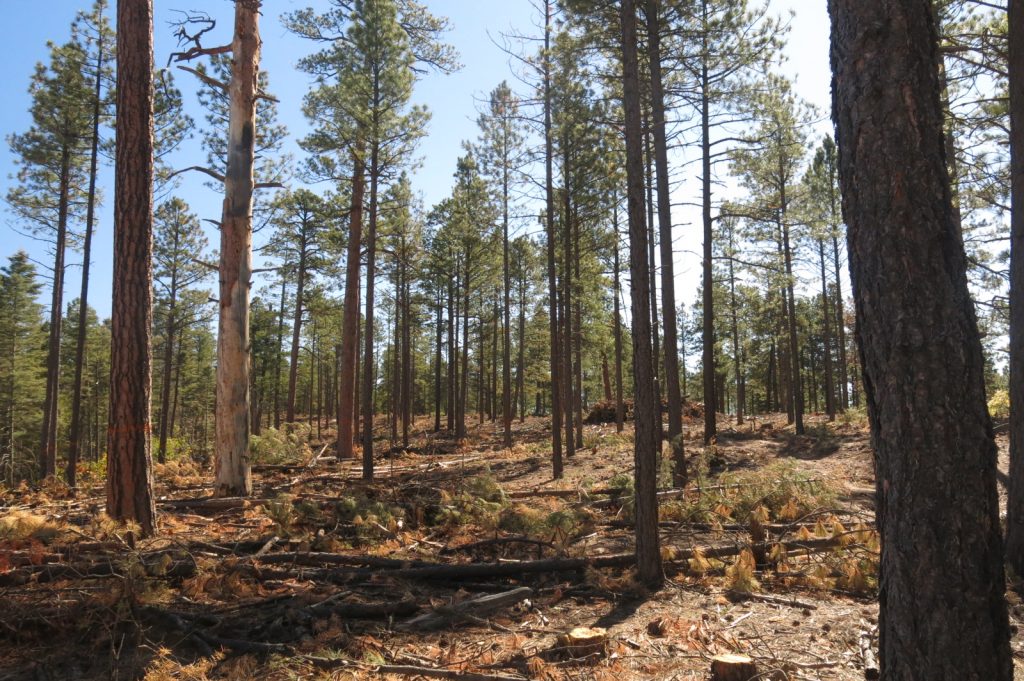 Natural fire restores plant diversity as well, for the same ecological reasons that fire suppression (which leads to fuel build up and high severity wildfires) and clearcutting reduce it. Through consuming fuels on the forest floor, natural fire promotes nutrient recycling, grass growth, and the penetration of sun and snow to the ground. Abundant grass enables cyclical fire ignition and the spread of rejuvenating, moderate severity fires.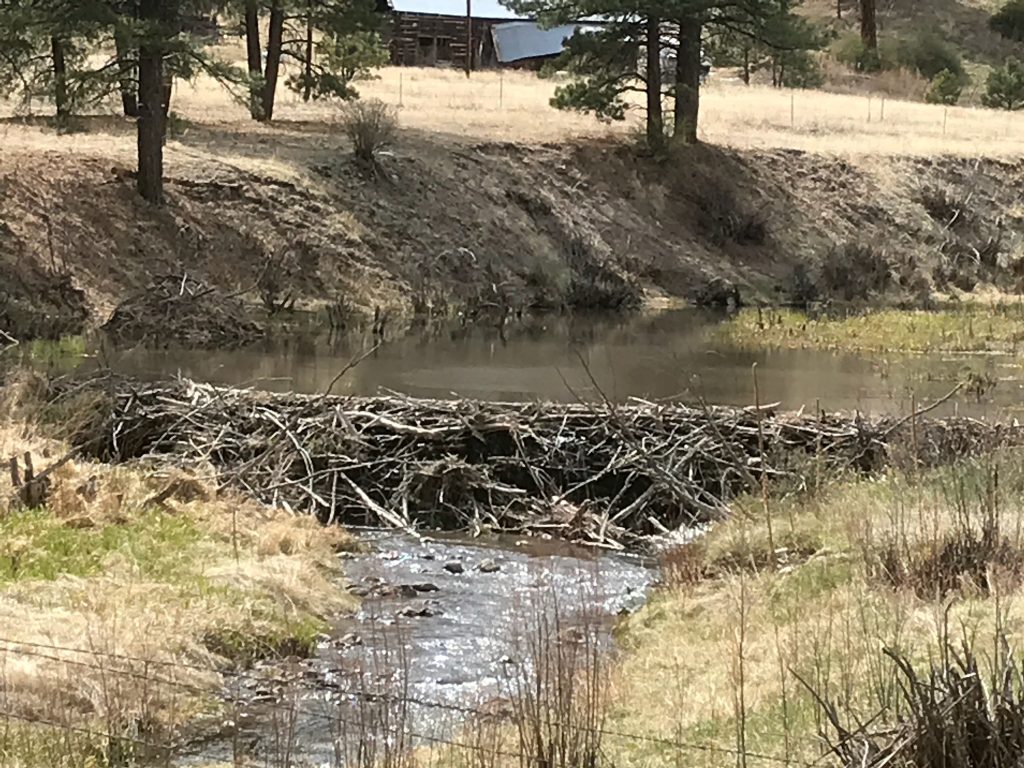
 Dear Truchacabra,
 First, ABBA, let’s dispense with the BS: